
The carbon footprint of animal skin is over 12 times greater than that of vegan alternatives.
 veganfta.com
A new study has shown that the carbon footprint of animal leather is more than twelve times greater than that of its non-animal counterparts.
Scientists from New York institutions conducted a meta-analysis of life cycle assessments and applied a new calculation method that corrects serious limitations of previous industry estimates. Earlier frameworks systematically underestimated the impact of animal farming on the climate, attributing only a minimal portion of emissions to hides based on flawed economic assumptions. When a realistic assessment of the agricultural phase – that is, the breeding and slaughter of cows and bulls – was taken into account, emissions from this stage turned out to be more than twice as high as in earlier calculations.
According to the study's findings, the total carbon footprint of bovine leather is 187.1 kg CO₂ equivalent per kilogram of finished material. Vegan alternatives average only 14.9 kg CO₂e per kilogram. The study shows that the production of non-animal materials emits fewer greenhouse gases than the tanning process of animal hides – a chemically intensive process that does not yield a product with better properties.
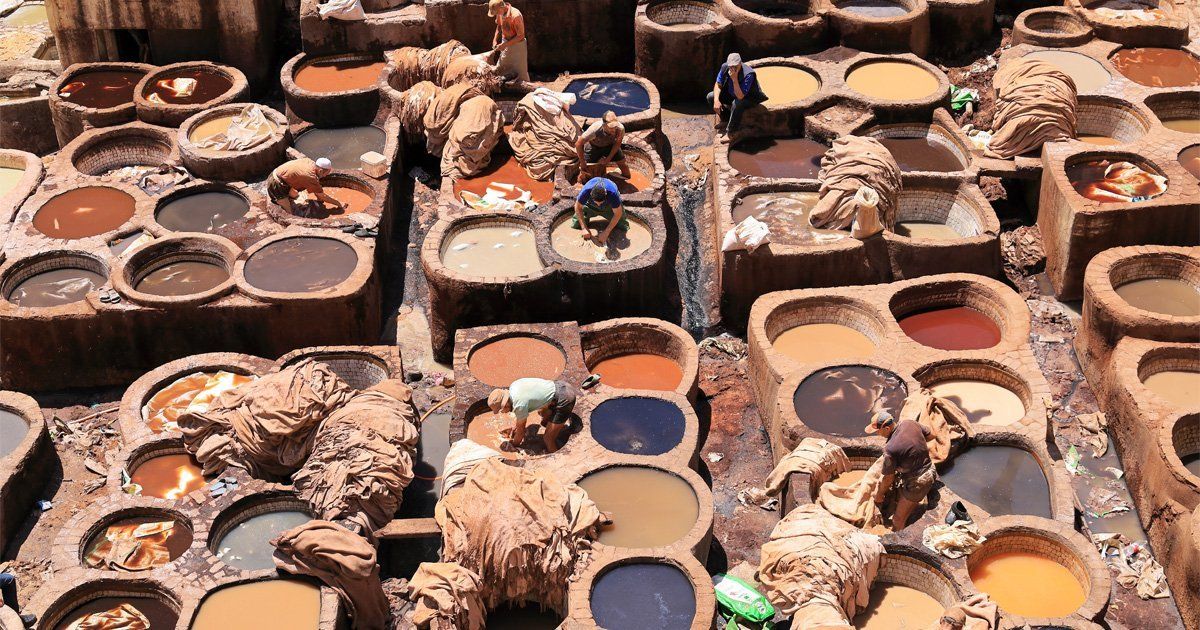
In addition to the enormous greenhouse gas emissions, processing raw hides also causes serious local environmental destruction. Processing 100 m² of hides generates about 200 kg of non-biodegradable solid waste. Additionally, the demand for flawless, blemish-free hides prompts breeders to slaughter animals earlier, directly contributing to the premature death of millions of cows and bulls worldwide.
With over 303 million cows and bulls slaughtered annually (data for 2022) and 8.2 billion kilograms of raw hides, transitioning to non-animal alternatives presents a huge potential in the fight against climate change.
The scientific article titled "The Carbon Footprint of Leather: A Comprehensive Reassessment Using Global Livestock Data and Meta-Analysis" by Mikaily K. Roncevich, Matthew N. Hayek, and Juan P. Hinestroza was published in July 2026 in the journal ACS Sustainable Chemistry & Engineering.
Sources
See also
See all
24 September 2026
The British are giving up processed "plant-based meat." They are choosing beans and tofu.
23 September 2026
Brazil bans foie gras. A historic success for Animal Equality in Latin America.
21 September 2026
Switzerland bans the import of fur produced in a cruel manner. Groundbreaking parliamentary vote.
20 September 2026
Hungary bans the performance of wild animals in circuses starting from 2027.