
The Netherlands: first New Year’s Eve under a consumer fireworks ban, with over 200 municipalities refusing exemptions
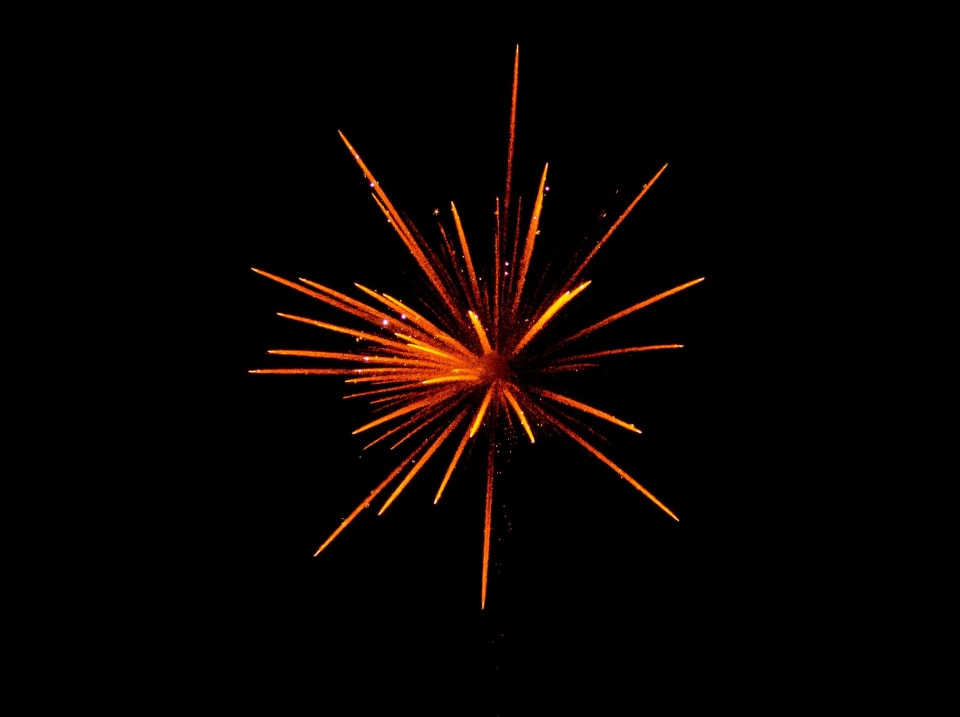 Photo by Neenu Vimalkumar on Unsplash
The Safe New Year’s Eve Act (Wet veilige jaarwisseling) took effect on 1 August 2026. Consumers may now only use the lightest category F1 products, such as sparklers and bang snaps. Rockets, cakes and bangers (categories F2–F4) may only be set off by licensed professionals. Professional displays are still allowed.
The law allows mayors to grant exemptions to local associations and foundations that want to hold a display at a designated site. Conditions include a safety plan, two trained supervisors and a limit of 200 kg of fireworks. According to the ANP news agency, however, more than 200 municipalities, including Amsterdam, Rotterdam, The Hague and Utrecht, have said they will not grant exemptions. They cite a lack of time to assess applications and too few police and enforcement officers to carry out checks on New Year’s Eve. A survey by the daily AD on 14 October found that 274 of 342 municipalities had refused, while 59 would allow exemptions.
The government justifies the ban mainly on safety grounds: it wants to reduce injuries, damage, nuisance and violence against emergency workers at New Year. The Dutch police also list protecting animals and the environment among the law’s goals. That is good news for animals – pets, farmed and wild – for whom the noise of fireworks causes severe stress, although they were neither the only nor the main reason for the change in the law.
Sources
See also
See all
30 October 2026
UK plans to end CO2 stunning of pigs as government opens consultation

29 October 2026
Mikołów wildlife rescue launches a 24/7 'Zwierzakomat' drop-off box for injured wild animals

28 October 2026
WARS updates its PKP Intercity train menu with a vegan plum bigos

28 October 2026
Supreme Administrative Court: a potential threat to health is enough to justify an emergency animal seizure