
Bulgaria’s parliament unanimously adopts a ban on fur farming
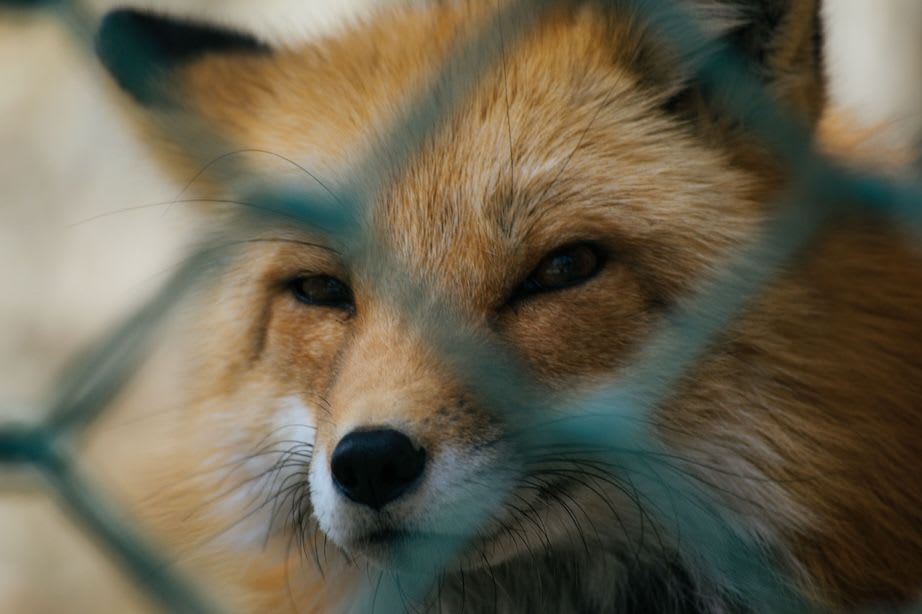
On 13 November Bulgaria’s National Assembly adopted at second and final reading amendments to the Veterinary Activities Act that ban the keeping, breeding and killing of animals solely for the production of fur. The bill was tabled by MPs from all parliamentary groups. The vote was held without debate and passed with 173 votes in favour, none against and no abstentions. The law still requires a presidential decree of promulgation and publication in the State Gazette before it can enter into force.
The ban covers facilities where animals are bred and killed solely for their fur, including mink, foxes, chinchillas, raccoon dogs and other species. It does not apply to fur obtained as a by-product from animals raised for food, or to hides from legally hunted animals. The amendments also introduce a legal definition of “valuable fur” and a change to the Animal Protection Act classifying the keeping, breeding and killing of animals for fur as an act of cruelty to animals. Fines range from 800 to 1,500 euro for individuals, or 2,000 to 6,000 euro for a repeat offence, and from 2,500 to 4,500 euro for businesses, or 4,500 to 10,000 euro for a repeat offence.
There are no longer any operating fur farms in Bulgaria. The country’s last registered American mink farm, near the village of Madzherito in the Stara Zagora region, ceased operations in early 2025. Anton Kutev, an MP from Progressive Bulgaria and a sponsor of the bill, said the aim was to put the ban into law and prevent fur farms in other European countries from relocating to Bulgaria. CAAI, which campaigned for the ban for more than a decade, welcomed the decision.
Similar bans, or rules that effectively end fur farming, are already in place in 24 European countries. In December 2025 Poland, until recently Europe’s largest fur producer, adopted legislation to phase out the industry. At EU level the European Commission has still not issued a final decision on the Fur Free Europe European Citizens’ Initiative.
Sources
Comments
See also
See all
21 November 2026
Jastrzębie-Zdrój: six cats taken from a filthy apartment

20 November 2026
Campaigners warn that EU live-transport talks are weakening animal protections

20 November 2026
Denmark: MATR Foods opens a 4,000-tonne plant for fermented plant-based burgers and mince

20 November 2026
Heura launches plant-based “steaks” with no product name, in response to EU labelling rules